
YOUNG ADULTS AREN’T WORKING OUT ALONE: HOW COMMUNITY ENERGY BUILDS SUSTAINABLE HABITS
How community energy acts as a key factor in sustaining physical activity and transforming workouts into a meaningful part of a young person’s life. For today’s youth, working out is about more than just building muscle. It is a journey to find balance, turn habits into rituals, and stay for the connection. Here are three [...]

How community energy acts as a key factor in sustaining physical activity and transforming workouts into a meaningful part of a young person’s life.
For today’s youth, working out is about more than just building muscle. It is a journey to find balance, turn habits into rituals, and stay for the connection. Here are three ways community is redefining physical activity for the younger generation.
1. Working out to stay grounded in a volatile world
In a world that is always “online” yet rarely truly connected, young people are turning to movement as a way to reconnect with themselves. Working out isn’t just about getting “fitter”; more importantly, it’s about “feeling better.”
According to Deloitte’s (UK) “2025 Gen Z and Millennial Survey,” nearly 40% of Gen Z and 35% of Millennials reported feeling stressed “all” or “most of the time.” Amid digital fatigue, mental burnout, and mounting social pressures, sports have become a self-regulation mechanism: a way to escape the daily grind while protecting mental health.
“So the question is: What does Gen Z prioritize? Is it overall health, physical appearance, or something else entirely—mindfulness?”

For many, an hour of cycling, running, or lifting weights is when they get to be fully present in their bodies, rather than trapped in a stressful digital pace.
Working out isn’t always tied to long-term goals like physique or strength. Sometimes, what keeps them coming back is the immediate relief: a quieter mind after a session, deeper sleep at night, or simply a lighter mood when walking out of the gym.
In a rapidly changing world where the lines between work and personal life are increasingly blurred, physical activity offers Gen Z and Millennials a small yet precious space. It is a “safe zone” where they can master their body, mind, and spirit, giving them the resilience to keep moving forward.
2. From habit to “ritual”
When you’re alone, working out is easily procrastinated. But when the music turns on, a friend is waiting, and a whole group is expecting you, the workout suddenly becomes a regular “ritual”—much harder to skip than an individual habit.
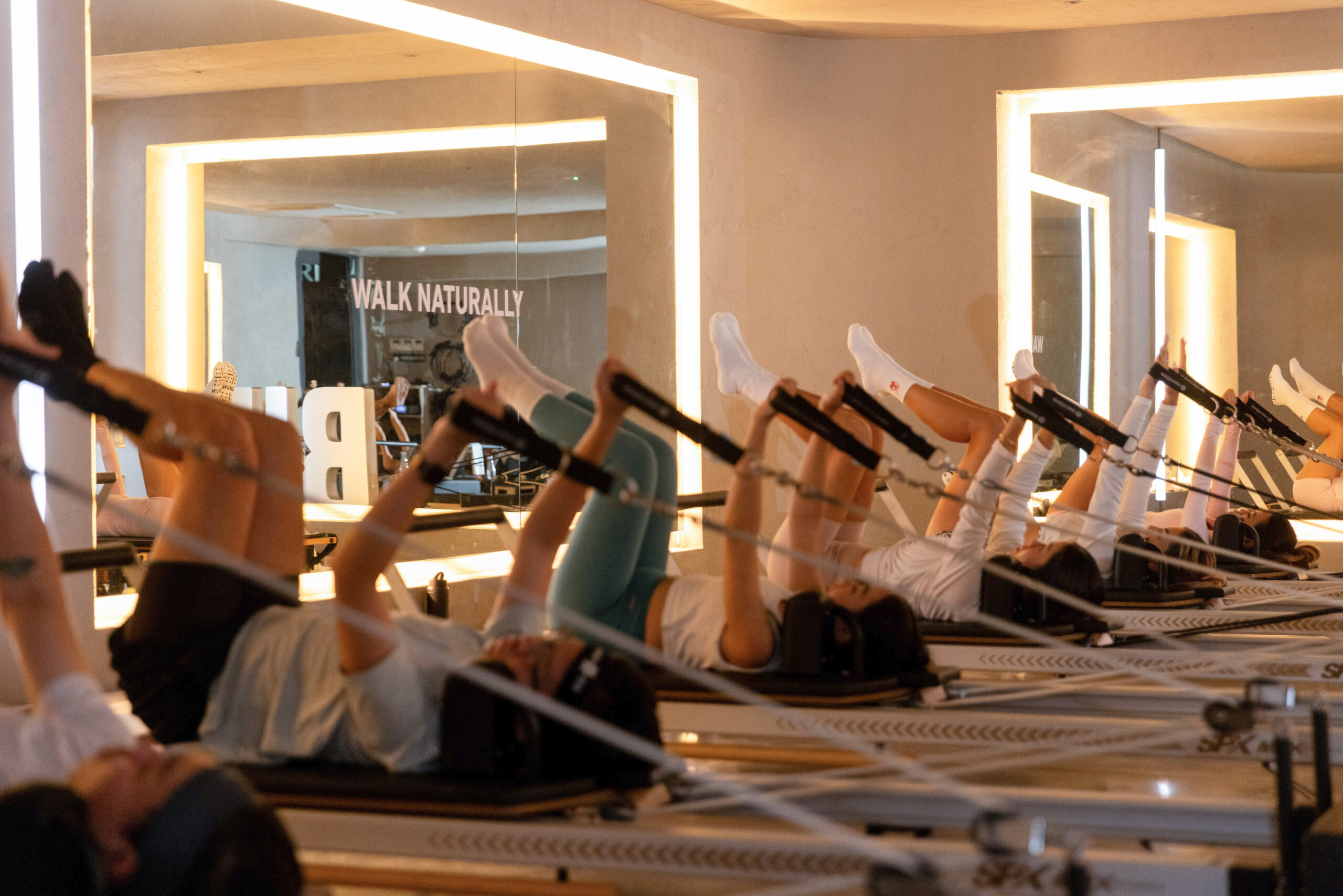
Post-COVID-19, the fitness industry recovered and significantly transformed with a new wave: group training. According to the ClassPass Look Back 2024, group class bookings on the platform surged by 51% compared to 2023, hitting an all-time high. Disciplines requiring connection like rhythm cycling, running, and dancing have also seen explosive participation. These figures clearly reflect a trend: more and more people are choosing to work out together—because they aren’t just seeking health, but also community connection.
Disciplines requiring connection like rhythm cycling, running, and dancing have seen explosive participation, showing that more people are choosing to work out together.
James Clear, author of Atomic Habits, wrote that a behavior only becomes a habit when it meets four elements: cue, craving, response, and reward. Applied to group fitness, the reward isn’t just the calories burned or the reps completed. It is the burst of laughter when catching the rhythm, a pat on the back from the person next to you, or simply an hour to “breathe” amidst a packed schedule.
At that point, working out is no longer just a box to tick on a to-do list, but an appointment to look forward to. A small ritual, yet powerful enough to keep young people engaged in the long run.
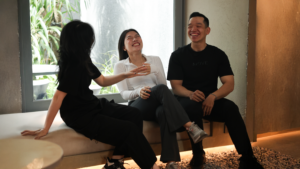
When working out is no longer a box to tick on a to-do list, but an appointment to look forward to.
3. Stronger together
As traditional “third spaces” like cafes, bars, or libraries slowly fade, young people are turning to fitness studios as a new social hub. No longer a place just to flex muscles or compete for aesthetics, modern gyms are gradually becoming places of bonding—where people learn to blend in and connect with like-minded individuals.
In fact, many young adults view physical activity as a way to expand their social circles. A recent UK study showed that over a third of Gen Z consider working out an opportunity to bond, and nearly half have made friends while exercising. This proves that the strength to maintain a habit lies not only in personal discipline but in the community beside you.
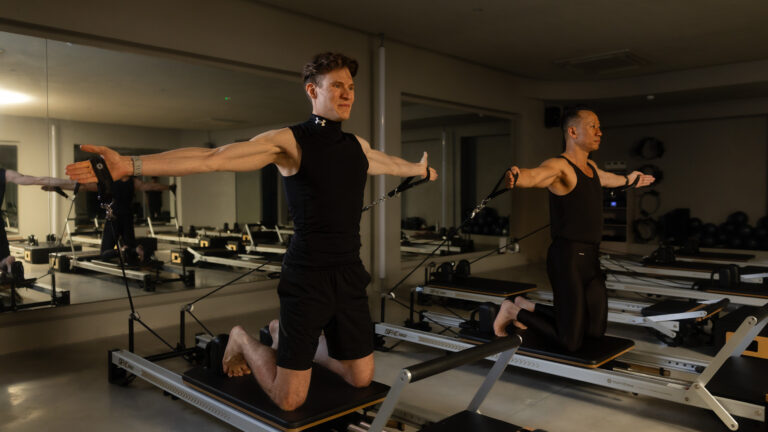
In Vietnam, this spirit is palpable in the group classes at MOVE Vietnam. It’s clearly reflected in their group sessions, whether it’s Rhythm Cycling (Ride), Strength Training (Hybrid), or Reformer Pilates (Reform). Every pedal stroke syncs with the music, every stretch harmonizes with the room, and every gentle breath is shared on the reformer pilates machine. Beginners don’t feel lost, and veterans stay inspired. Here, movement isn’t just an exercise—it’s a rhythm of life: complete with a beat, guidance, and togetherness.
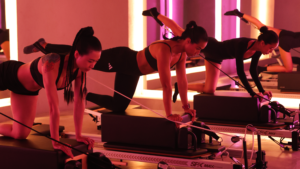
As traditional “third spaces” like cafes, bars, or libraries slowly fade, young people are turning to fitness studios as a new social hub.
Alongside its main classes, MOVE also hosts a Social Weekend every week—free workout sessions open to everyone, serving as a way to create more space for connecting, meeting up, and simply moving together.
Conclusion:
Young people don’t just work out to get fitter or look better. They train to balance their minds, and they stay for the community. Because true strength doesn’t just come from muscles; it comes from a sense of belonging.
When you have companions by your side—breathing together, striving together, and pushing through tough exercises together—the habit of moving is no longer just a matter of personal discipline. It becomes a part of life: healthier, more connected, and more meaningful every day.